


28. Transform your vision – ask us how!
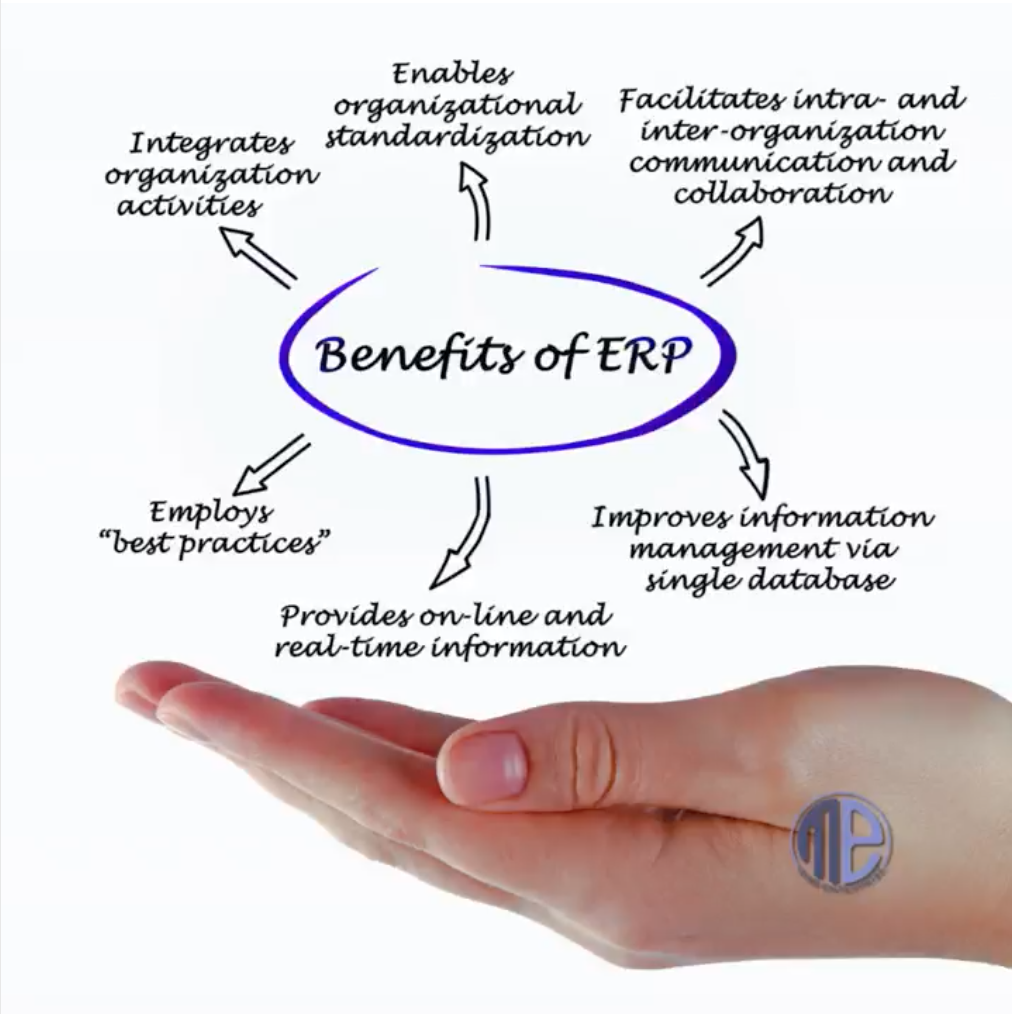
1. Centralised Data Management: An ERP system consolidates all your business data into one platform, reducing data silos and ensuring everyone has access to accurate, up-to-date information.
2. Improved Efficiency: Automating repetitive tasks and streamlining business processes can save time and reduce errors, allowing your team to focus on more strategic activities.
Better Financial Management: With real-time financial data and automated accounting processes, you gain greater control over your finances and can make data-driven decisions.
3. Enhanced Inventory Management: ERP software helps track inventory levels, monitor stock movements, and manage reordering, reducing the risk of stockouts or overstocking.
4. Data-Driven Decision Making: Access to real-time data and reports allows you to make informed decisions quickly, improving your business’s responsiveness to changes.
5. Scalability: As your business grows, an ERP system can scale with you, accommodating new processes, departments, or locations without the need for multiple software solutions.
6. Improved Customer Service: By providing accurate and up-to-date information on orders, inventory, and customer history, ERP software helps deliver better customer experiences.
7. Regulatory Compliance: ERP systems often include built-in compliance features, ensuring your business adheres to industry standards and regulatory requirements.
8. Cost Savings: By improving operational efficiency, reducing manual processes, and minimising errors, ERP software can lead to significant cost savings over time.
9. Book a demo with the MISS Enterprise team so that I can SHOW you how to do all this!